- Luoyang City, Henan Province, China Overseas Educated Personnel Industrial Park, High-tech Development Zone.
- +86-18522273657
Mon - Fri: 9:00 - 19:00

 EN
EN
 AR
AR BG
BG DA
DA NL
NL FI
FI FR
FR DE
DE EL
EL HI
HI IT
IT JA
JA NO
NO PL
PL PT
PT RO
RO RU
RU ES
ES TL
TL ID
ID UK
UK VI
VI TH
TH TR
TR AF
AF MS
MS BE
BE AZ
AZ BN
BN JW
JW KN
KN KM
KM LO
LO LA
LA MY
MY UZ
UZ KY
KY LB
LB XH
XH SR
SR
Mon - Fri: 9:00 - 19:00
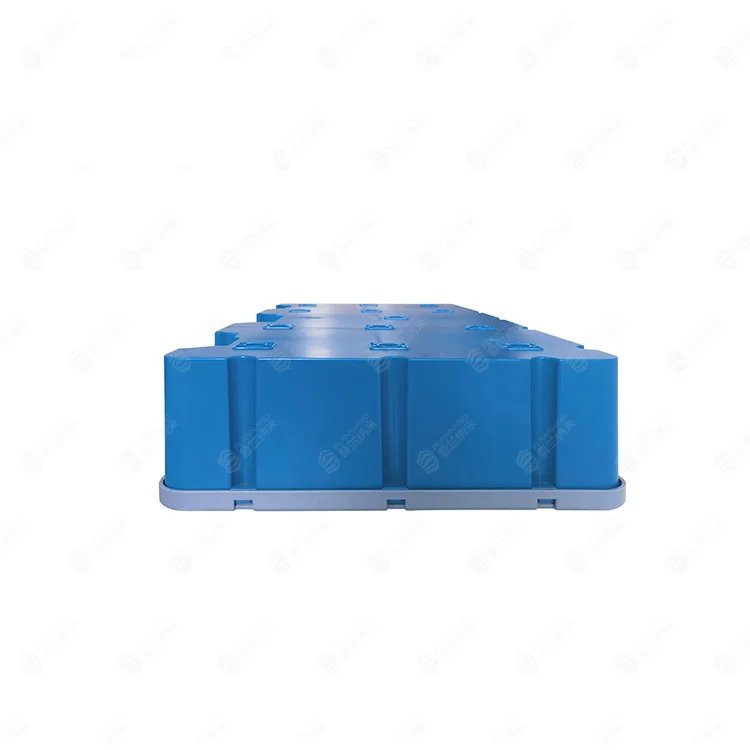
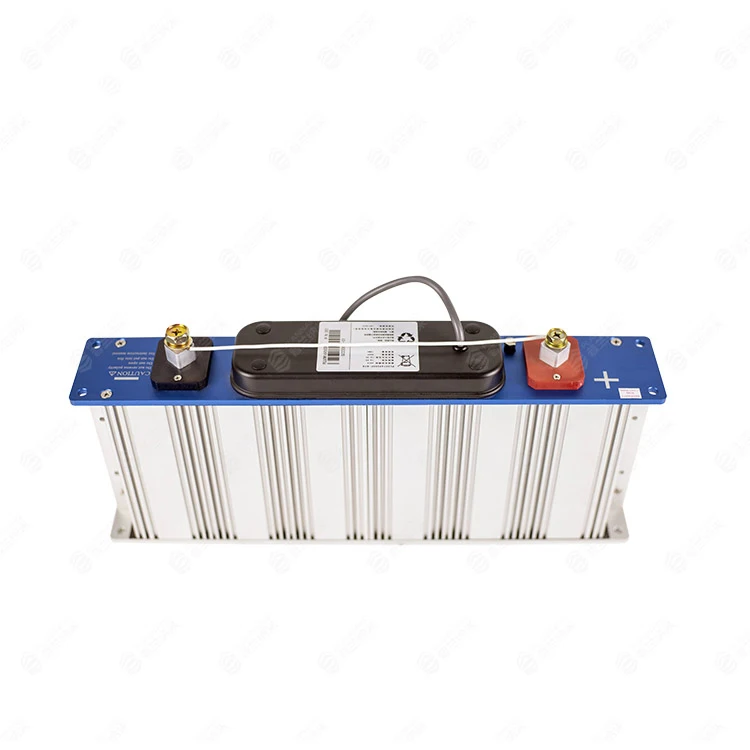
A capacitor is a sort of tiny battery that doesn’t have enough juice to keep a flashlight running, but it does relieve the pressure on the circuit membrane by storing and releasing electrical energy. It is made of two conducting plates separated by an insulator, which is an insulating material or dielectric. An electric field is formed between the plates when a voltage is applied, this field stores energy. Capacitors are found in a lot of electronics to manage power and suppress noise.
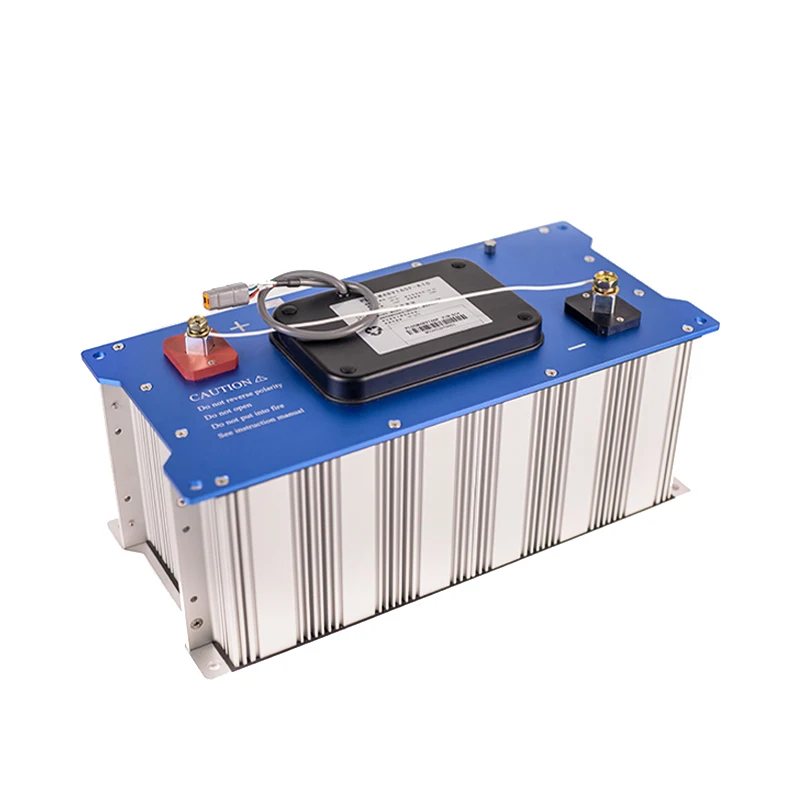
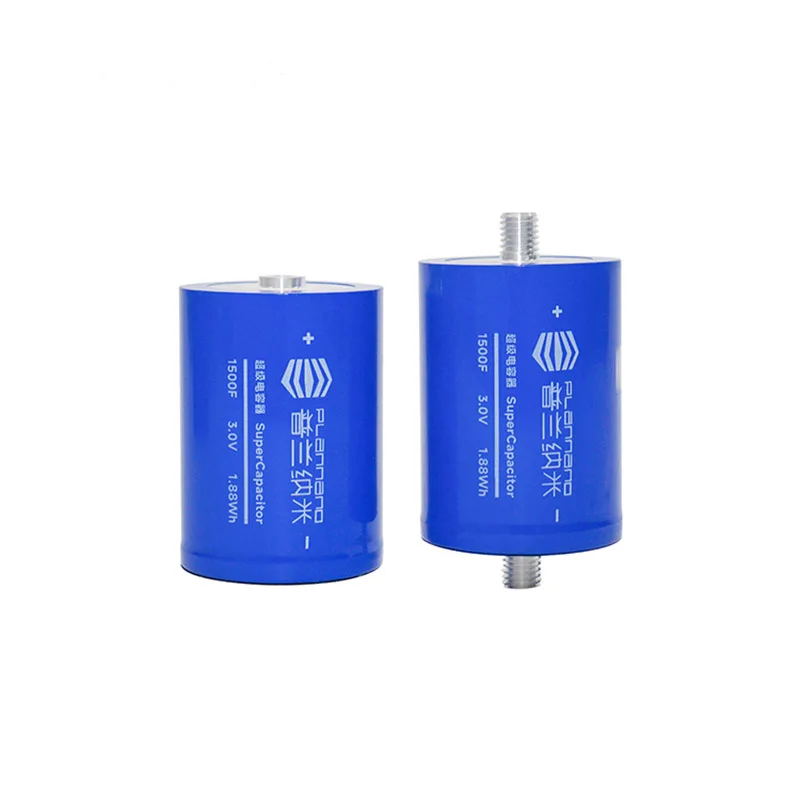
Meanwhile, A supercapacitor, or an ultracapacitor, is a special type of capacitor that can store a particularly high amount of energy. Supercapacitors do not store energy the same way traditional batteries do — instead of chemical reactions, they use electrostatic forces. This means that supercapacitors can charge and discharge much faster than standard capacitors, which makes them suitable for applications that require fast electricity bursts.
Supercapacitors which are known due to their high energy storage and high charging rates have many applications. An exciting use case is in electric cars, where supercapacitors can capture energy from regenerative breaking and discharge it quickly to offer a boost in acceleration. This can achieve better overall operation and performance for the electric vehicle.
For a number of years, researchers have attempted to optimize the performance of both capacitors and supercapacitors. An interesting enhancement is seen in employing materials such as graphene, possessing both high conductivity and surface area, suitable for supercapacitor electrodes. This has resulted in increased energy density and power capability of supercapacitors, further once again making it more competitive against conventional batteries.
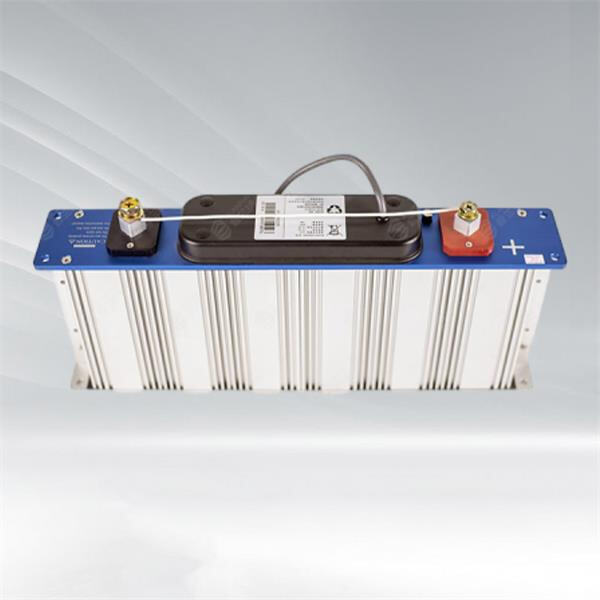
Another focus of research is in the making processes, such as printing and roll-to-roll, that can reduce the cost of products and the ease of scaling up for capacitors and supercapacitors. These are driving the acceleration of supercapacitor development and the expansion of their applications from consumer electronics to renewable energy.
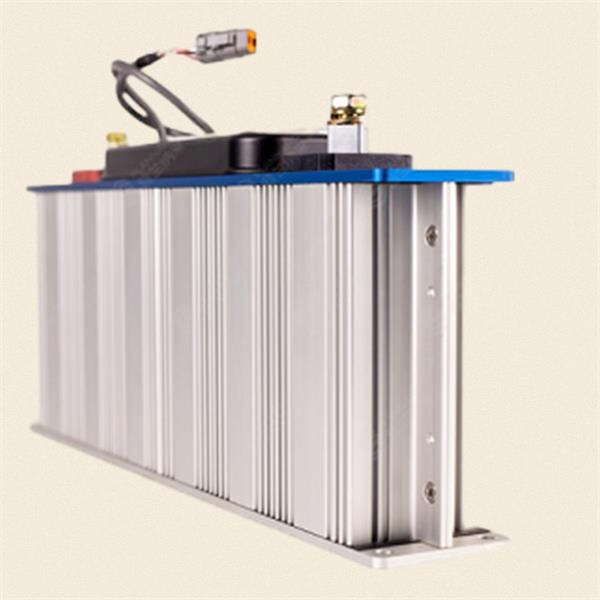
Supercapacitors are transforming the energy storage in electronics, from being a simple complement to primary batteries, to a novel and reliable competitor for the more mature rechargeable battery. The devices can be power cycled — that is, charged and discharged — hundreds of thousands of times without losing much of their capacity, a feature that could make them suitable long-lasting tasks.
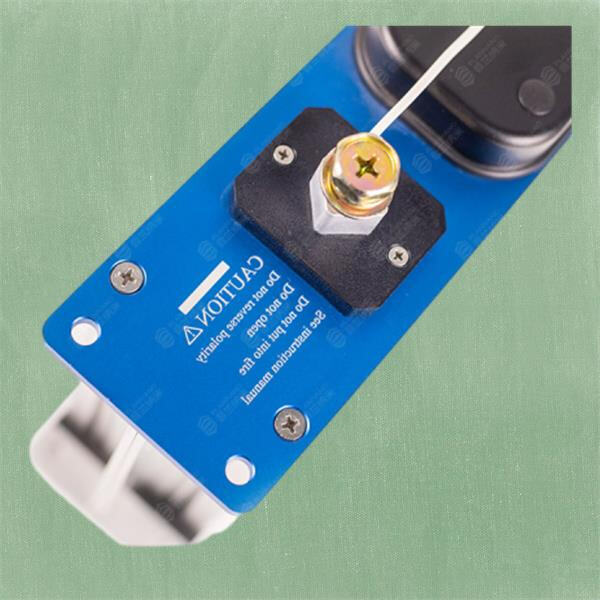
Supercapacitors are vital in renewable energy applications as they store generated surplus energy that is achieved from solar panels and wind turbines. That energy can then be discharged during times when not much is being produced, or when demand is exceptionally high, and that can help balance the grid and make energy supplies more reliable.
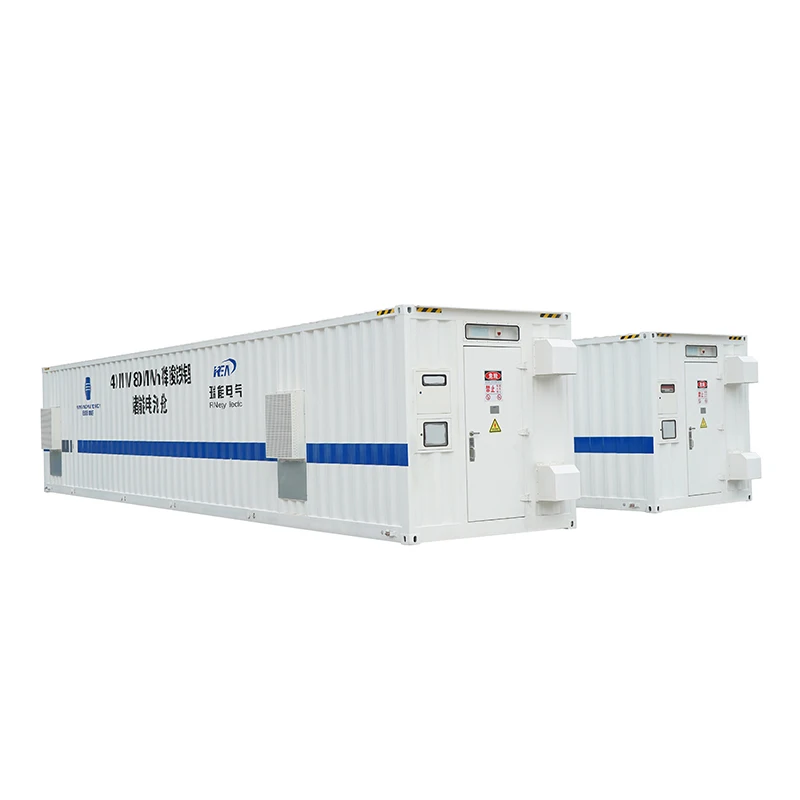
Our technical team will apply its knowledge and expertise to design and customize energy storage solutions that satisfy the requirements of our customers. We'll give you detailed description of the solution along with technical specifications, as well as capacitor supercapacitor estimates to ensure you have the most efficient energy storage solution.
The capacity of daily production is 20MWH, with four regular PACK lines. It also hascapacitor supercapacitor that offer a daily capacity of 5MW/10MWH. Our R and D engineers are highly trained and have a broad range of academic and professional experience.
Henan SEMl Technology and Science Co., Ltd. is a high-tech enterprise in the capacitor supercapacitor of new energy, mainly engaged in energy storage product processing and system integration, research and development and production of new energy charging products, as well as charging station solutions and construction investment. The annual production amount is 6GWH.
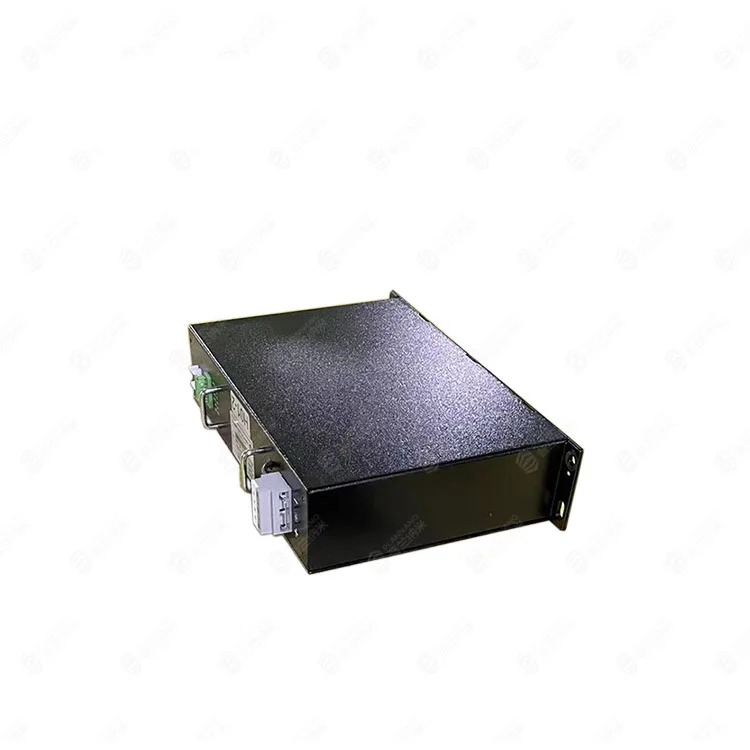
Our R and D department is capacitor supercapacitor for electronic design, integration and optimizing energy systems. They also develop the physical structure and thermal management system of energy storage equipment. Our production team is committed to optimizing production processes, increasing efficiency and ensuring quality.