- Luoyang City, Henan Province, China Overseas Educated Personnel Industrial Park, High-tech Development Zone.
- +86-18522273657
Mon - Fri: 9:00 - 19:00

 EN
EN
 AR
AR BG
BG DA
DA NL
NL FI
FI FR
FR DE
DE EL
EL HI
HI IT
IT JA
JA NO
NO PL
PL PT
PT RO
RO RU
RU ES
ES TL
TL ID
ID UK
UK VI
VI TH
TH TR
TR AF
AF MS
MS BE
BE AZ
AZ BN
BN JW
JW KN
KN KM
KM LO
LO LA
LA MY
MY UZ
UZ KY
KY LB
LB XH
XH SR
SR
Mon - Fri: 9:00 - 19:00
Electricity Storage is kind of cool! It is used to keep the electricity safely stored until we need it. We expect that when we flip a switch or plug something into an outlet, the electricity will be there instantaneously. Sometimes, electricity is created when we don't need it and saving that for later can be problematic at best. Thus, instead of lethargically storing and warming charges all in a package from sunlight during the day to release as heat at night we must devise ways to store electricity away so that it will be still there when needed — just like how food is stored coldly/coolingly in refrigeration until want power.
Most people believe that energy storage is going to be very important in the future. Because if we are going to use more power from the sun or wind, which functionally inexhaustible sources of energy (they run out in 5 billion years and never respectively) then how do you store that for when youre not using it? This means where the electricity storage benefits us. Batteries, pumped hydro and flywheels are some of the most common methods for storing electricity. (Choseneca/calories as fuel) Both are good methods and they provide great benefits in helping us control energy.
This is a good way to improve how the electricity grid operates: by storing electricity. The electricity grid is like a big puddle for power plants and transmission lines to pour their electricity into so we can receive it in our homes and businesses. Imagine we have a surplus of electricity, more than what is needed by people. If, on the other hand, we are using more electricity than what we are generating at that particular time of day then instead use the stored power from storage. This storage and its retrievability are crucial to making the grid more reliable, for turning on a light or charging your phone.
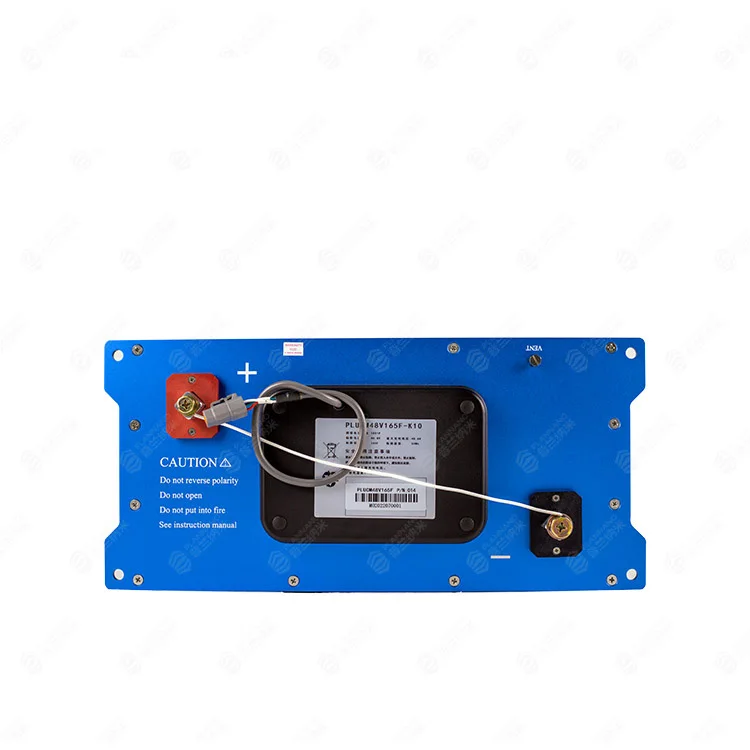
We use a variety of different systems to store electricity. Batteries — Or rather, The Batteries as shown in our phones or tablets is just one. These batteries save the electricity, which can be loaded into them from sources such as solar panels or wind turbines. And when we need power, the batteries can discharge it to rechargeable us. They could use pumped hydro, which is also a method <! This is basically using water as the energy battery with lowest cost. By comparison, we use the extra electricity to do work: if there is a hill or lump of water somewhere that is significantly higher than where you are plugging your kettle in then what ACTUALLY happens when there is spare juice from renewables this excess can be used (slowly) up via electrically pumped hydro. We pour the water down river and in so doing it turns a dynamo, producing electricity. Another cool way to store energy are flywheels. When we require it they avoid wasting our energy and can use a spinning wheel. This means we have power available as and when it is needed.
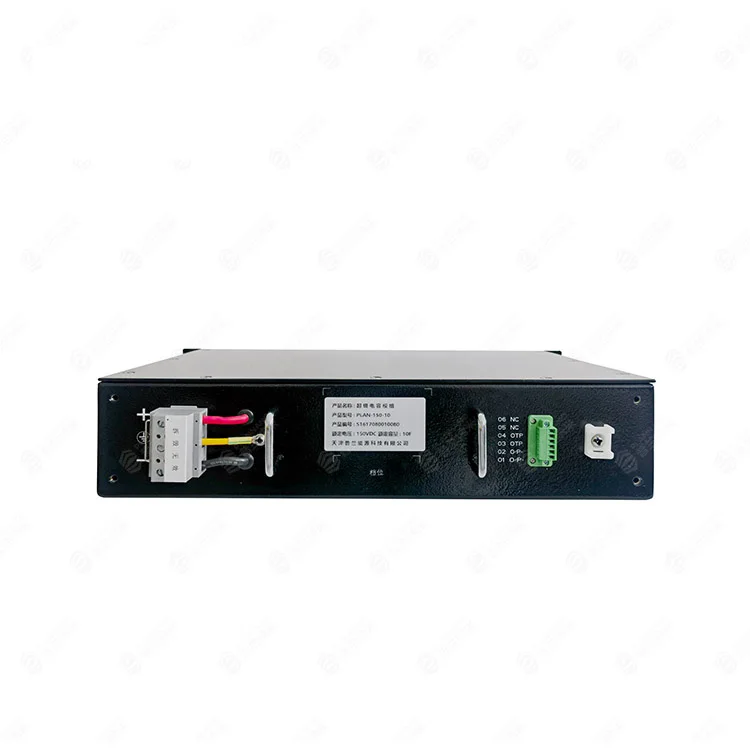
Microgrids are tiny-level systems which manufacture and utilize the energy within a particular location. It can be very useful in areas where the main electricity grid is out of reach, like small towns or removed regions. These microgrids can work more effectively by the utilization of stored electricity. For instance, in the event that there are power outages from a grid, microgrids can use the stored excess of electricity it has to ensure its lights and for businesses throughout an immediate area continue operating. This is particularly crucial for better living of the people in these localities and it can open new opportunities to uplift life standards.
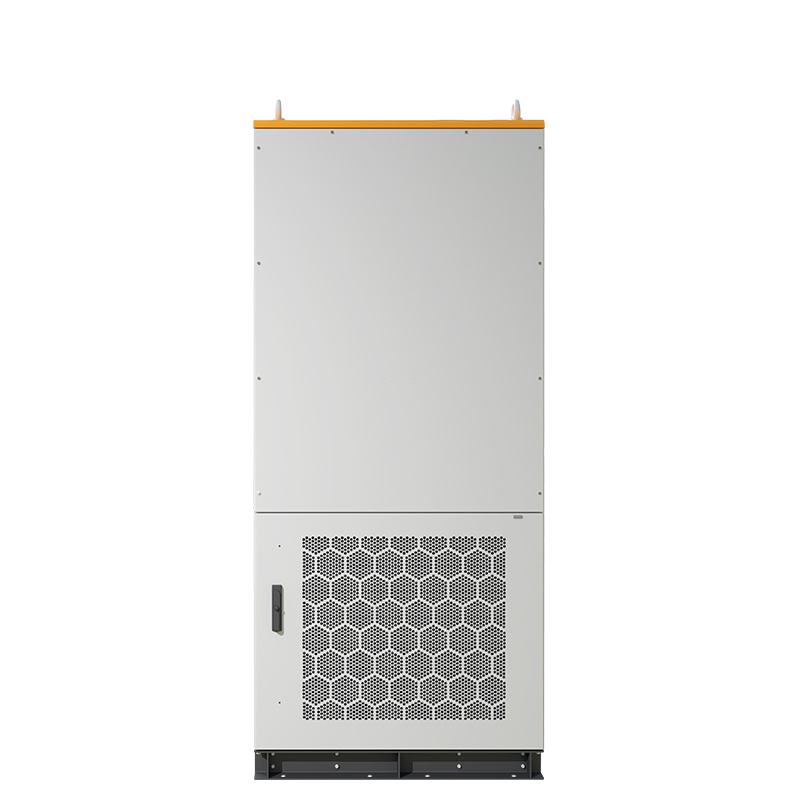
Buying and storing electricity is not only for the big power plants, nor even microgrids. You can also deploy it within our homes and businesses. Imagine being able to save energy during the day from your solar panels.Being capable of using that power at night when you need it. Imagine saving power when it is cheap and spending it during high rates. It would save us money and at the same time make our electricity system cleaner, greener, and more efficient. It’s a win-win situation!
Our company has 2 automatic component production lines, the daily capacity is 10MWH. With 4 standard PACK production lines, the daily capacity is 20MWH. It has two system integration production lines with five MW of daily capacity and 10MWH. Our R and D engineers are highly trained and have a broad electricity storage and academic experience.
Our electricity storage team focuses on study and development of battery technology and electrochemical energy storage systems, accountable for the electrical design, integration and optimization of energy storage systems and the physical structure of energy storage equipment and thermal management system design. The production team at XL is committed to optimizing production processes, increasing efficiency and ensuring quality.
Henan SEMl Science and Technology Co., Ltd. is a high-tech enterprise in the field of new energy, mainly engaged in energy storage product processing and system integration, research and development and production of new energy charging products, as well as charging station solutions and construction investment. The annual output is electricity storage.
Our team of experts will make energy storage solutions that electricity storage the customer's demands. We will provide detailed solutions descriptions along with technical specifications, as well as pertinent quotes to provide you with the most perfect energy storage system.