- Luoyang City, Henan Province, China Overseas Educated Personnel Industrial Park, High-tech Development Zone.
- +86-18522273657
Mon - Fri: 9:00 - 19:00

 EN
EN
 AR
AR BG
BG DA
DA NL
NL FI
FI FR
FR DE
DE EL
EL HI
HI IT
IT JA
JA NO
NO PL
PL PT
PT RO
RO RU
RU ES
ES TL
TL ID
ID UK
UK VI
VI TH
TH TR
TR AF
AF MS
MS BE
BE AZ
AZ BN
BN JW
JW KN
KN KM
KM LO
LO LA
LA MY
MY UZ
UZ KY
KY LB
LB XH
XH SR
SR
Mon - Fri: 9:00 - 19:00
Energy can be stored in many ways, each of which imposes clear advantages. The most common method is to use batteries, which converts the electrical energy into chemical potential. Which basically what is being done when we recharge a battery, So that the energy can be used. In other cases, we can keep energy as compressed air or heat or water. For example, we could store compressed air in special tanks or heat up water and keep it hot in massive containers. Unfortunately, these old methods of energy storage have limitations and cannot continue to support the growing demand for electricity worldwide. They can often be too costly or ineffective in the way we require them.
The storage of energy is a difficult challenge to make the system sustainable (use only renewable energy wind, solar and hydro power). The first among nature-based resources, which sources are natural and can be regenerated. We can also store the extra energy for when one of our renewable sources makes more power than we will use. In this way, we can harness the power of solar energy for when we require more electricity needs and want to avoid production that is polluting our planet by using fossil fuels. In doing so, contribute to less pollution and keep the planet safe.
Power can also be stored in an environmentally savvy manner by means of recycled substances. We can just make use of the storage systems that we will not need any longer, instead of creating new materials. In some instances we would recycle old batteries, or even components from electronics and integrate them into a new energy storage device So this minimises waste and so that we utilise much more of the material than a conventional process.
All these issues are addressed through the efforts of scientists and engineers who work together to develop new technologies, which can prove better than the existing ones. They're building battery management systems that allow batteries to perform better as they age. This will also ensure the batteries are charged and last as long as possible. And there are supercapacitors, which are a specific type of device with the ability to both charge and discharge energy at more than an order of magnitude faster rate compared to conventional batteries. This means that they can be quite useful for situations where we require instant energy boosts.
New technology has ensured that we have more energy storage options than ever. The most well-known is a technique known as pumped hydro storage. When there is available excess energy this method pump water up to higher ground, hill or mountain. We then let the water fall back down when we need energy, and a generator generates electricity during this time. It is a very effective way and can save up much energy for further use.
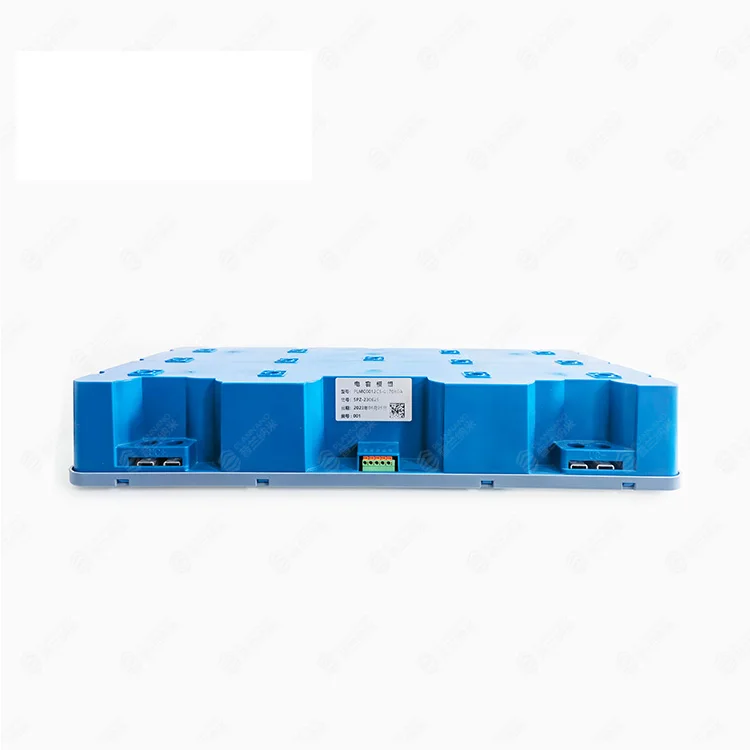
Flywheel energy storage will be another new approach. The system relies upon a spinning wheel (or rotor) for energy storage. But when energy is wanted, the wheel can rapidly react and let some of its stored power go. This tech is excellent at capturing energy from renewable sources like wind and solar power, rather than something that produces the same amount of juice consistently. Wells: When new renewable capacity arrives on the grid, flywheels can provide an outlet to balance supply and demand.
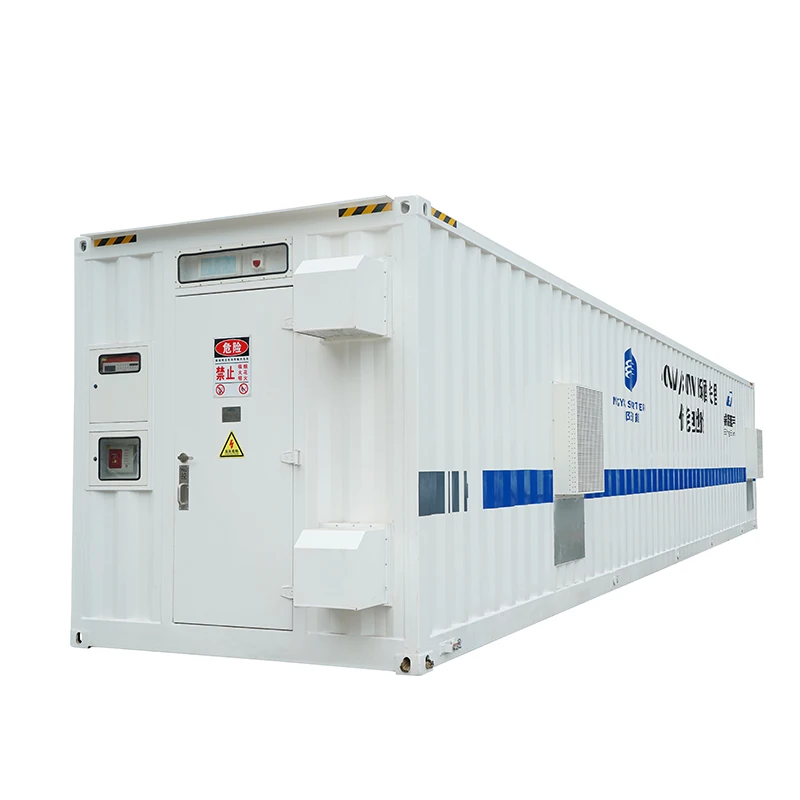
The largest new technology front is graphene energy storage. Graphene is an extremely thin, super-strong material composed of carbon atoms. This material has the potential to dramatically enhance battery performance Since graphene is lightweight, can survive a temperature cycle of 70 Kelvin to 300 K and it also conducts electricity, this could mean the possibility of generating smaller batteries which hold more energy than ones currently in use. It would allow us to decrease the amount of space we use for batteries, while also giving us powerful energy storage choices.
Our R and D team is focused on study and development of battery technology as well as energy storage solutions. that is responsible for the electrical design, integration, and optimization of energy storage systems as well as the physical structure of the energy storage equipment and thermal management system design. The production team at XL is dedicated to optimizing the production process, increasing efficiency and ensuring quality.
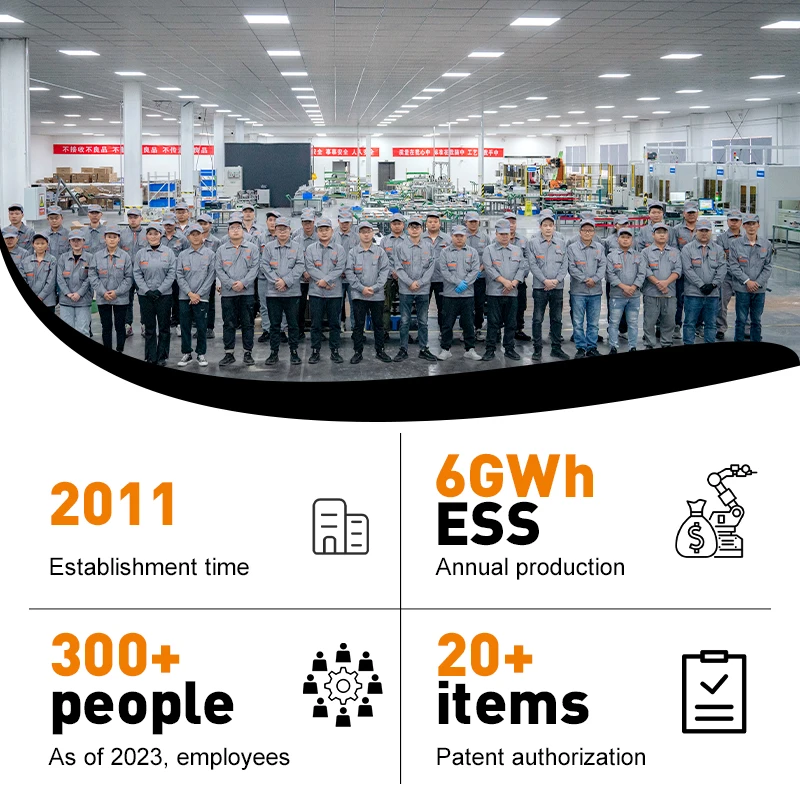
Our company is equipped with two automatic production lines for component components. The daily capacity is 10MWH. With 4 standard PACK production lines, daily capacity of 20MWH; It also has two system integration production lines with a daily capacity of 5MW/10MWH. Additionally our R and D engineers have impressive educational energy storage solutions and bring deep academic knowledge and professional skills to the work.
energy storage solutions technical team will make use of their expertise and knowledge to develop and tailor energy storage solutions to satisfy the requirements of our customers. Our team will provide you with complete details of solutions, technical specifications as well as relevant quotes to offer the most efficient storage option for energy.
Henan SEMl Science and Technology Co., Ltd. is a high-tech enterprise in the field of energy storage solutions, mainly engaged in energy storage product processing and system integration, research and development and production of new energy charging products, as well as charging station solutions and construction investment. The annual output is 6GWH.