- Luoyang City, Henan Province, China Overseas Educated Personnel Industrial Park, High-tech Development Zone.
- +86-18522273657
Mon - Fri: 9:00 - 19:00

 EN
EN
 AR
AR BG
BG DA
DA NL
NL FI
FI FR
FR DE
DE EL
EL HI
HI IT
IT JA
JA NO
NO PL
PL PT
PT RO
RO RU
RU ES
ES TL
TL ID
ID UK
UK VI
VI TH
TH TR
TR AF
AF MS
MS BE
BE AZ
AZ BN
BN JW
JW KN
KN KM
KM LO
LO LA
LA MY
MY UZ
UZ KY
KY LB
LB XH
XH SR
SR
Mon - Fri: 9:00 - 19:00
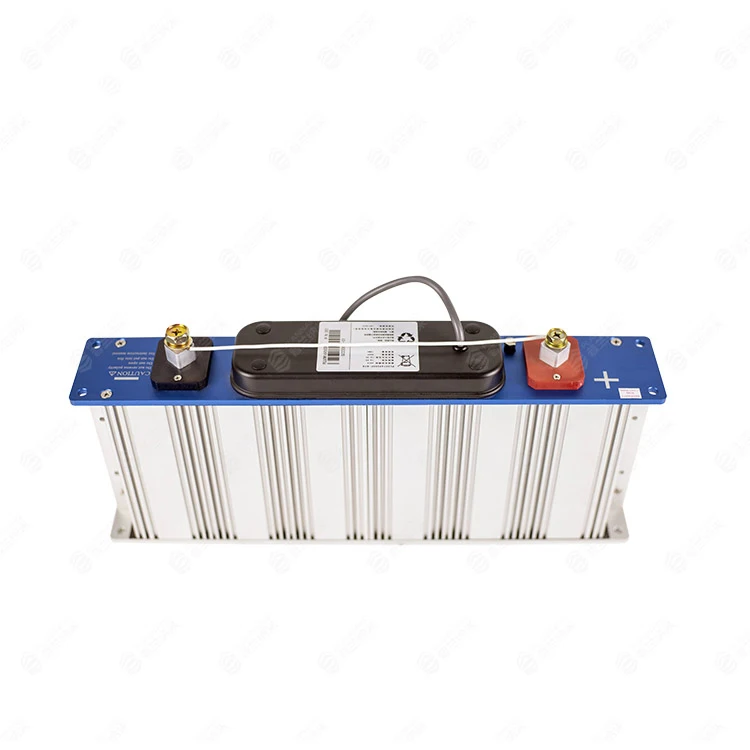
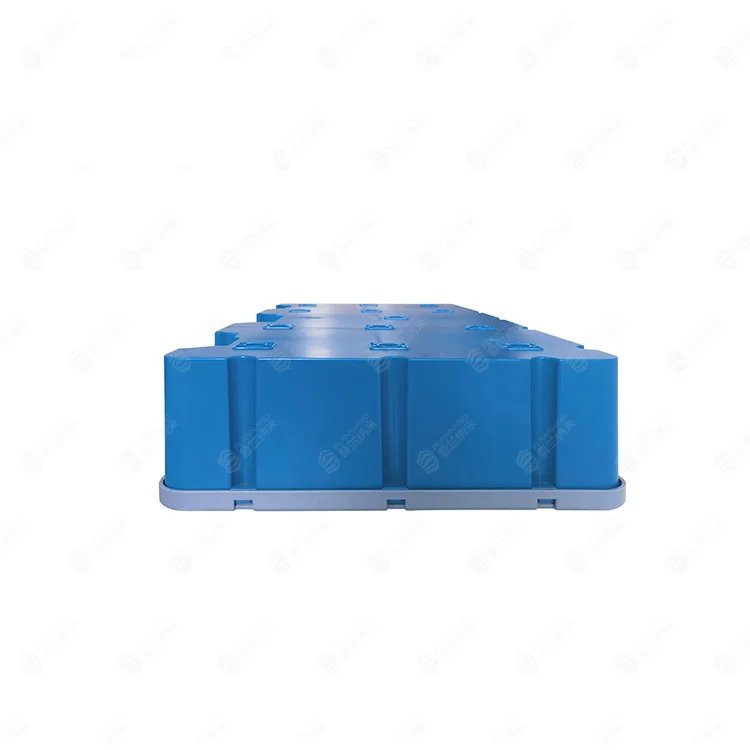
A special type of batteries called industrial battery is used to power the machines and equipment in factories or warehouses. In contrast to the standard batteries which you would find in things like toys or remote controls, these are far larger and can contain vastly more energy. This is why they are most suited to large operations with heavy power demands where the power needs to be balanced between components.
A prevalent example of an industrial battery is the lithium-ion. These are batteries that you probably know about because they come in electric cars. When used in factories, they are becoming popular as they store a vast amount of energy and yet only take up minimal amounts of space. That means factories can install them without requiring a ton of extra space to do so, and that is huge.
Industrial batteries can certainly make a difference in the way that the work is done and how well things are conducted on factory floors. It is easier to locate more power in certain locations, particularly the machines are required high power. If and when those machines are on, they may demand more power than the building's electrical system can provide. This will result in issues such as power outages or failure on the part of equipment.
There is one other important advantage to industrial batteries — they can prevent pollution and are environmentally friendly! Without factoring in the cost to our planet, pure and simple fossil fuel reliance by factories (coal or natural gas power plants) results in carbon dioxide emissions into our atmosphere. This pollution, in turn can be harmful to our planet and hence contributes towards global warming.
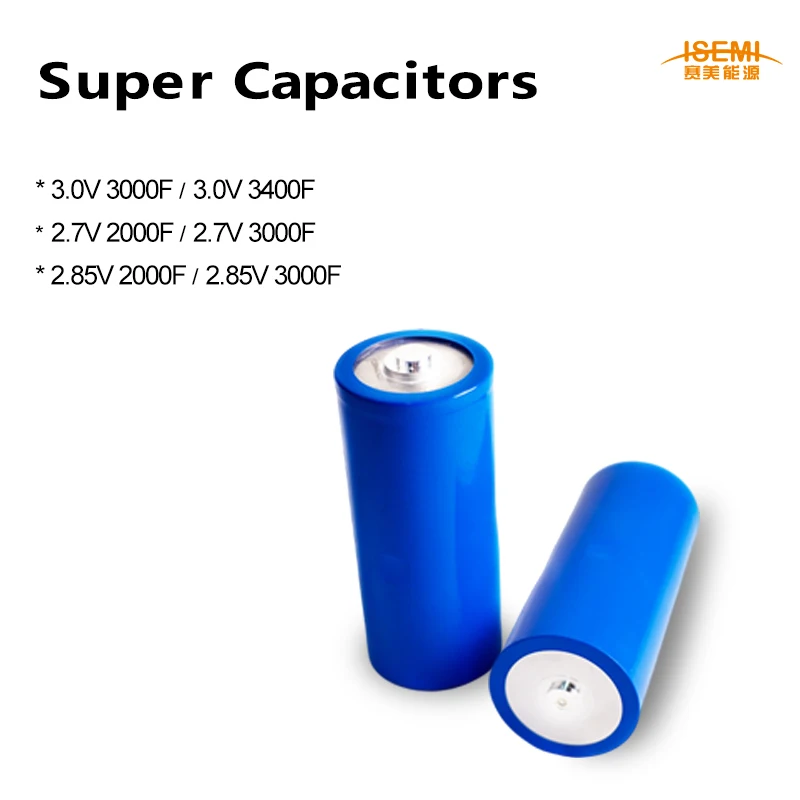
Factories can store this extra power with the use of industrial batteries, so that it doesn't go to waste. The kept power can after be utilized at whatever point essential, along these lines factories need to utilize more of the petroleum derivatives. In turn, it has cleaner air and is better for the health of everyone as factories simply cut back on using these fuels.
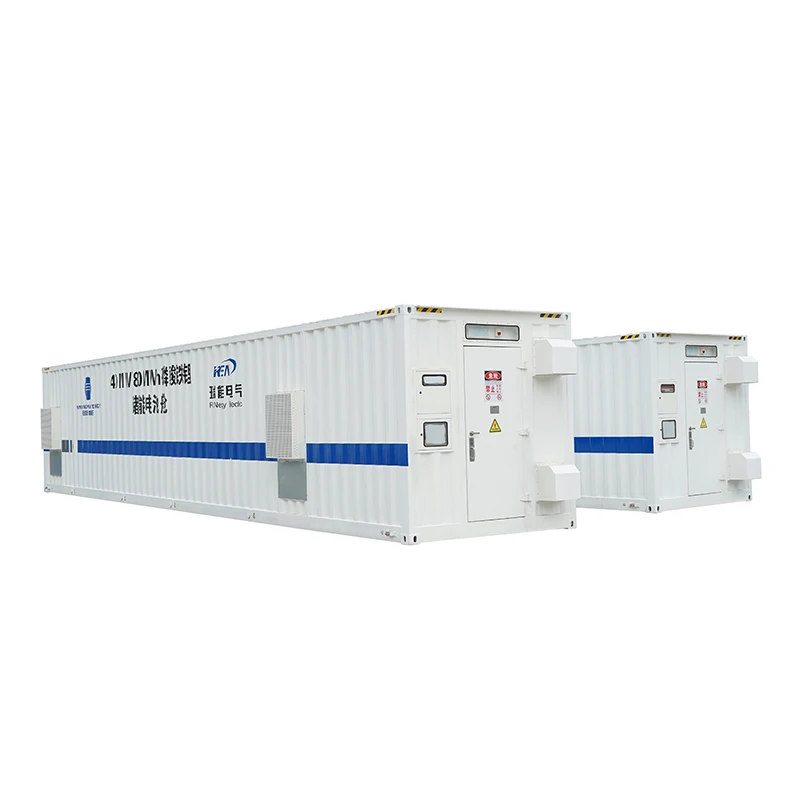
Industrial batteries serve an important function in maintaining the continuity of industrial corporations. A backup in case the electrical system fails or turns off. It is critical for regions that require an uninterrupted supply of power — mines to mine needed resources, data centers where huge amounts of valuable information are stored in servers, and manufacturing plants which produce goods.
Reasons for manufacturing units to using battery technology So much so that the main stroke of it is better energy savings. Beyond simply generating its own power, an industrial battery can store any excess energy for use when the machines aren't running. This kind of system could help to significantly reduce a factory's overall electricity usage and costs as well.
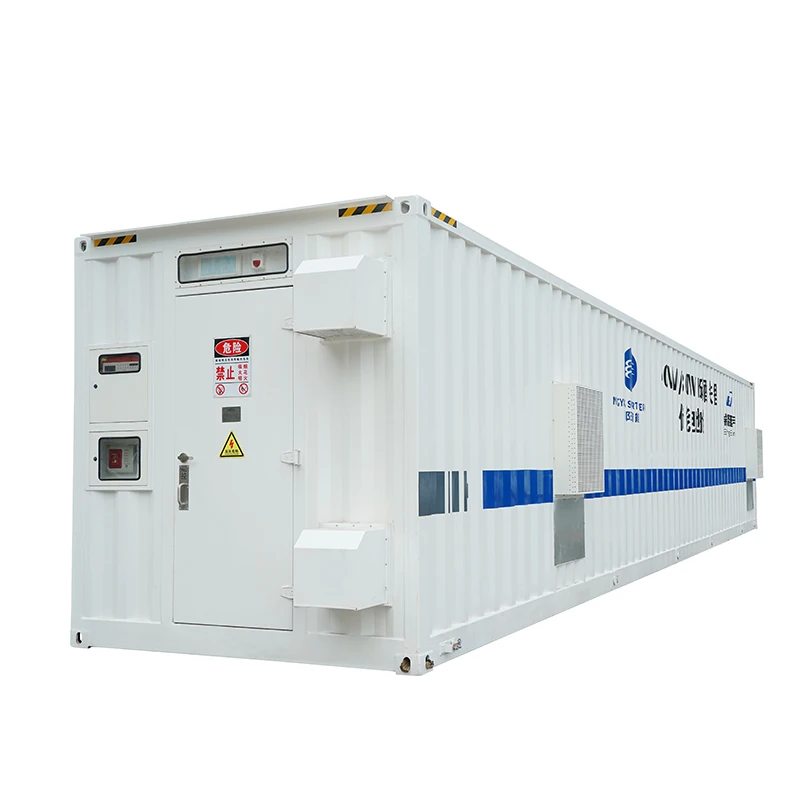
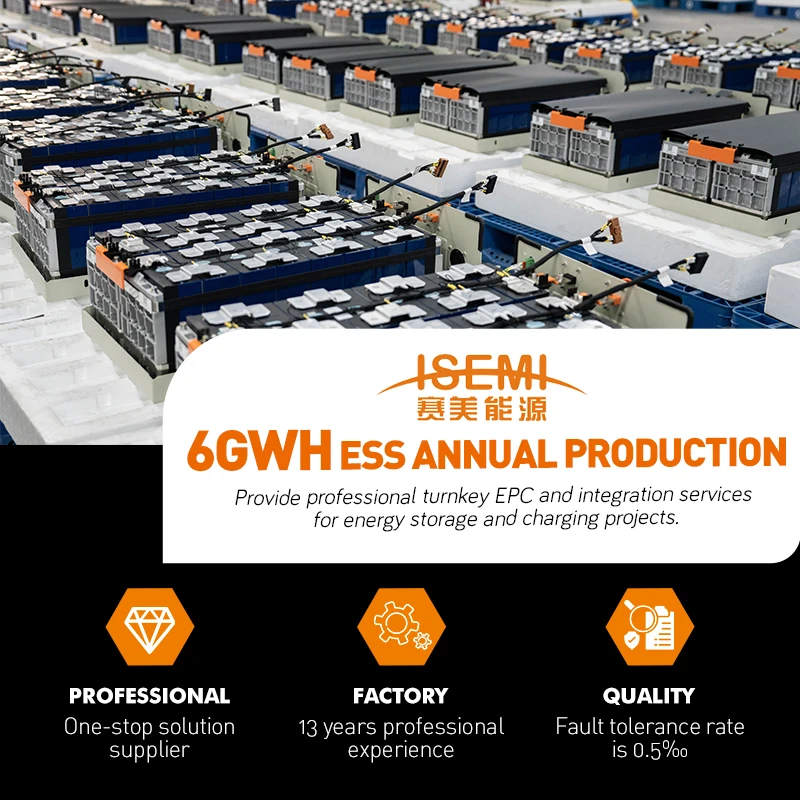
Our company has 2 automatic component production lines, the daily capacity is 10MWH. With 4 standard PACK production lines, the daily capacity is 20MWH. It has two system integration production lines with five MW of daily capacity and 10MWH. Our R and D engineers are highly trained and have a broad industrial battery storage and academic experience.
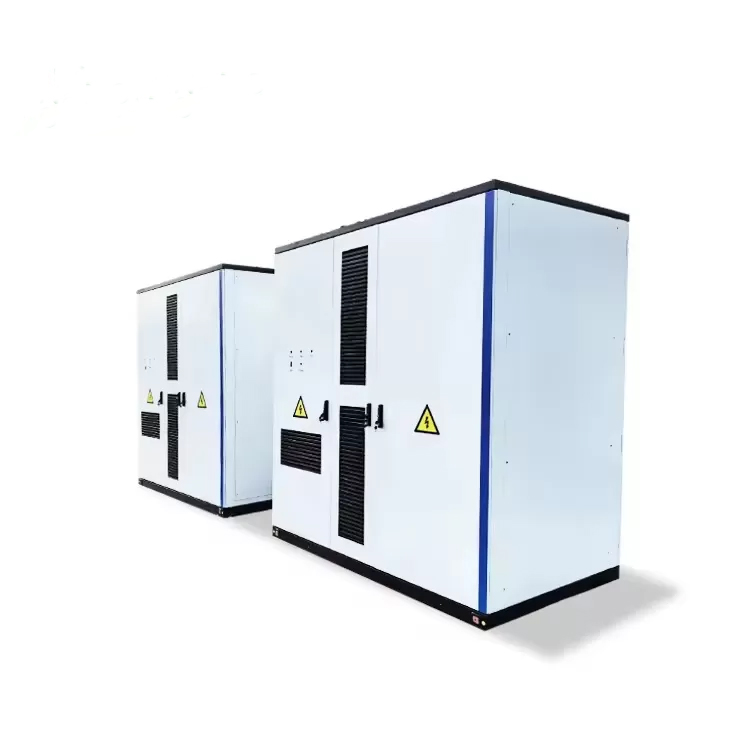
Our experts industrial battery storage and design energy storage solutions that are able to meet customer requirements. Our experts will be able to provide detailed description of the solutions, technical specifications and relevant quotes in order to provide the most effective energy storage solution.
Our R and D team is industrial battery storage on the study and development of battery technology and electrochemical energy storage systems. with responsibility for electronic design, integration, optimization of energy storage systems, and the physical structure of the energy storage equipment and thermal management system design. Our production team is committed to increasing the efficiency of production as well as the quality of products and processes.
Henan Science and Technology Company Ltd. is a high-tech enterprise in the field of new energy, mainly engaged in energy storage product processing and system integration, industrial battery storage and production of new energy charging products, as well as charging station solutions and construction investment. Its annual output is 6GWH.