- Luoyang City, Henan Province, China Overseas Educated Personnel Industrial Park, High-tech Development Zone.
- +86-18522273657
Mon - Fri: 9:00 - 19:00

 EN
EN
 AR
AR BG
BG DA
DA NL
NL FI
FI FR
FR DE
DE EL
EL HI
HI IT
IT JA
JA NO
NO PL
PL PT
PT RO
RO RU
RU ES
ES TL
TL ID
ID UK
UK VI
VI TH
TH TR
TR AF
AF MS
MS BE
BE AZ
AZ BN
BN JW
JW KN
KN KM
KM LO
LO LA
LA MY
MY UZ
UZ KY
KY LB
LB XH
XH SR
SR
Mon - Fri: 9:00 - 19:00
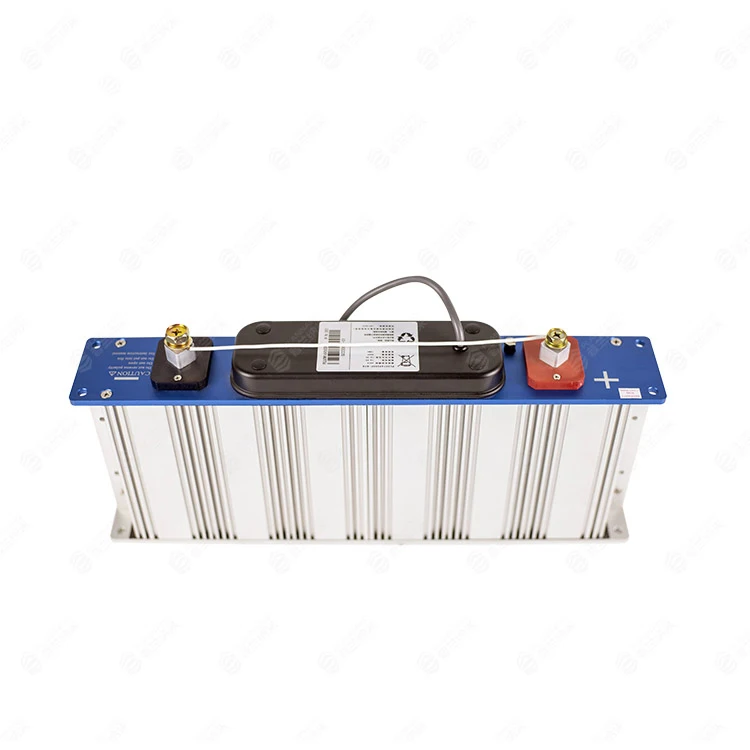
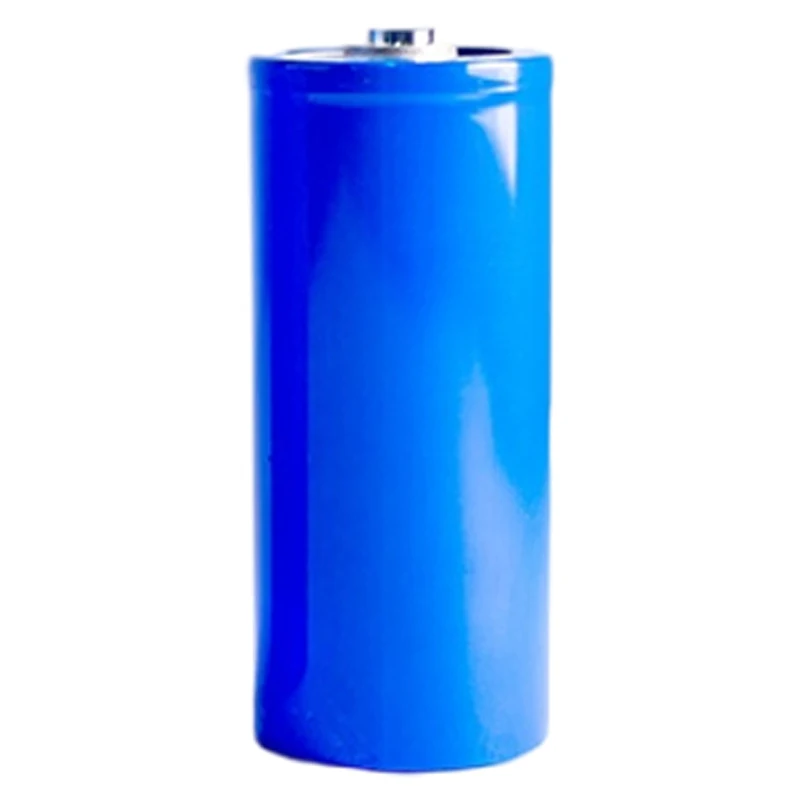
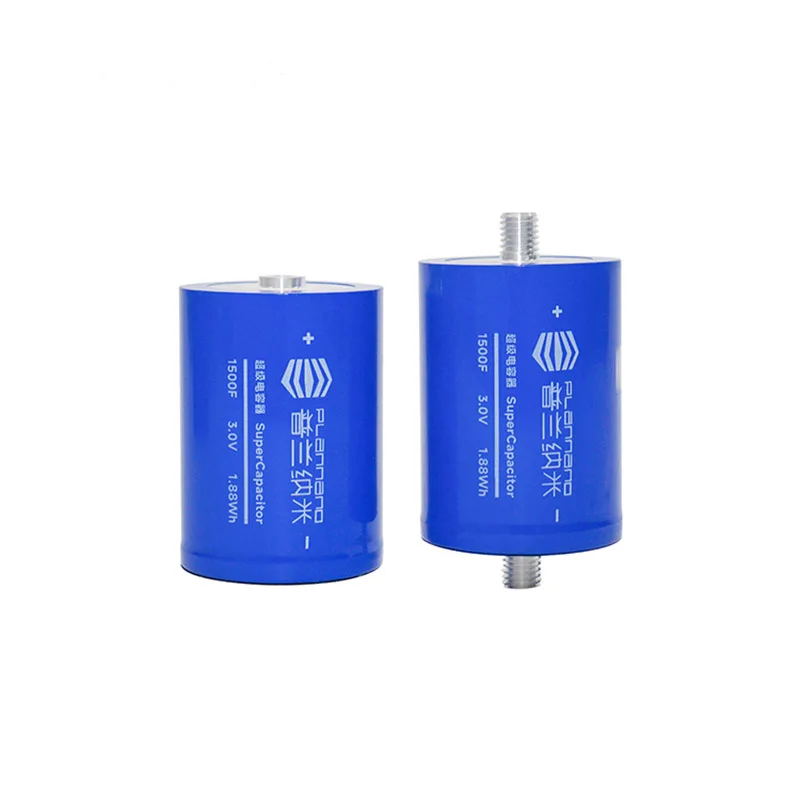
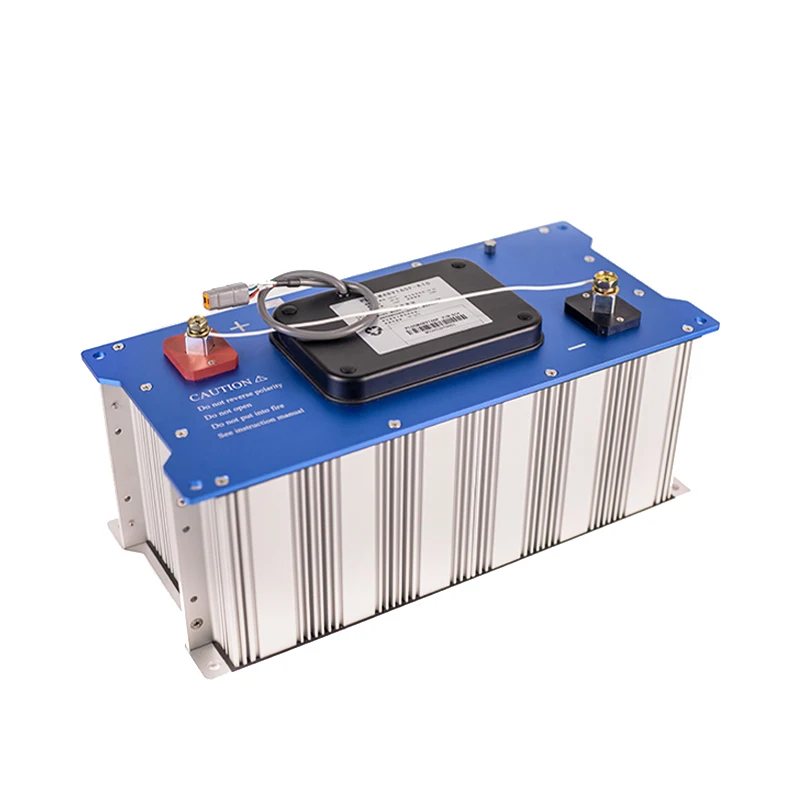
I want to tell you all today about a super dope new technology that we have been using at semi called the Li Ion capacitor. Why the Energy Sector is Taking a Closer Look at an Unassuming Little Device the Li Ion capacitor is an original hybrid, borrowing elements from batteries and capacitors to make a single group. That is why it has tremendous benefits that can assist us a lot.
We have been using batteries for ages now. They are behind some of the technology that includes cell phones, tablets and even cars. Traditional batteries do have some problems though. They do not have much in terms of battery longevity and it takes forever for those batteries to be recharged again. This may be frustrating for us when we have to use our devices. The Li Ion capacitor hopes to address these problems by offering a superior means of energy storage.
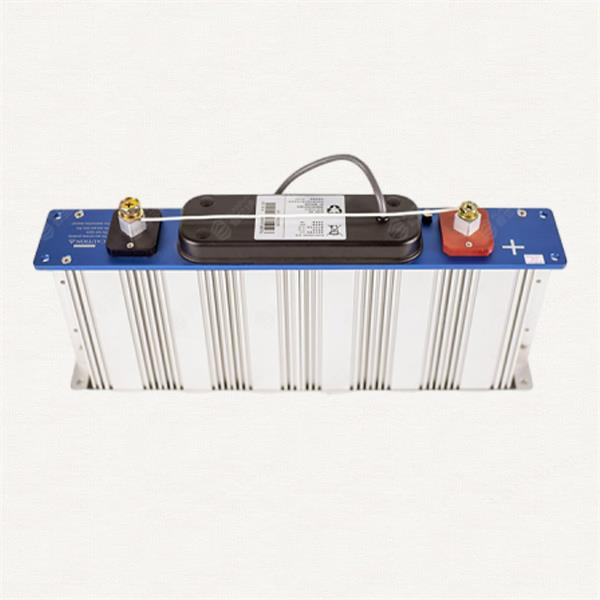
Now let's get onto how energy gets stored. Generally speaking, a capacitor stores energy in an electric field and a battery stores energy using chemical reactions. The Li Ion capacitor is a new twist on applying both methods of energy storage. This not only makes it superior, but also more environmentally responsible than the traditional capacitors. The Li Ion capacitor provides a significant advantage in this respect because it allows us to store more energy in less space. In particular, this is a prime factor when it comes to electric cars which tend to most benefit from being as light and efficient as possible.
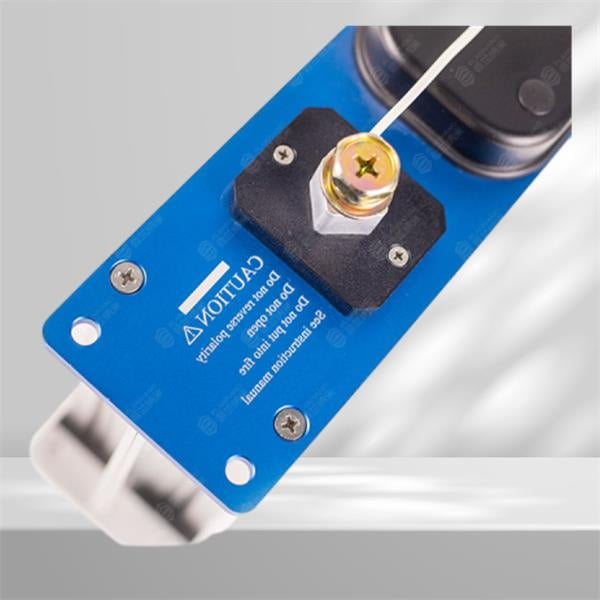
The Li Ion capacitor is crucial for that and other future electric vehicles or EVs. If we use conventional batteries in electric cars, the size of the battery can restrict how far a car worms before it must be recharged. The problem is, however, that this can limit those with aspirations for longer trips. The Li Ion capacitor addresses this by enabling a higher energy density in a smaller footprint. In other words, electric cars can travel farther without needing to refuel. This also means they can be charged quicker when they are recharged. That means you both can drive your electric car for a period longer and take pleasure in the trip without having to worry about having an empty battery.
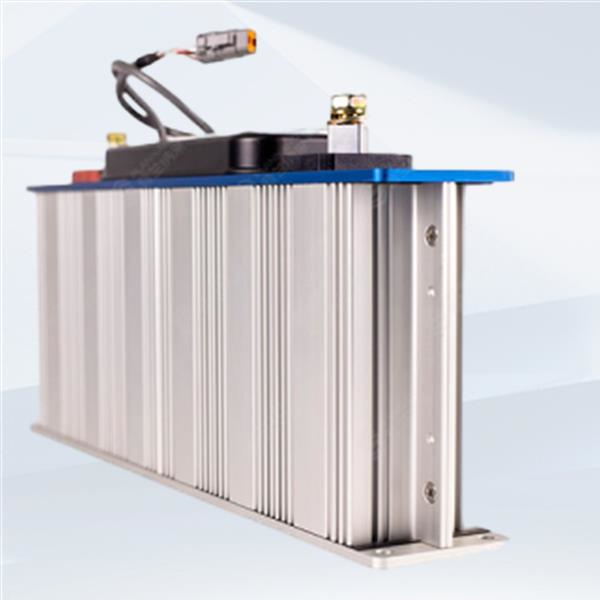
Not only that…it is also important for the renewable energy sources and the Li Ion capacitor. They are energy sources that nature provides, such as wind turbines and solar panels, which make power from the nature. However, as we know, renewable energy does not produce energy 100% of the time. For instance, the sun does not shine 24 hours a day and there are long periods when the wind does not blow. This also makes it difficult to store the power they generate, because we cannot assume that we will have power all the time. However, with Li Ion capacitors we have a better place to put this energy. This makes renewable energy also a good option to meet the demands of the power supplied for homes and businesses.
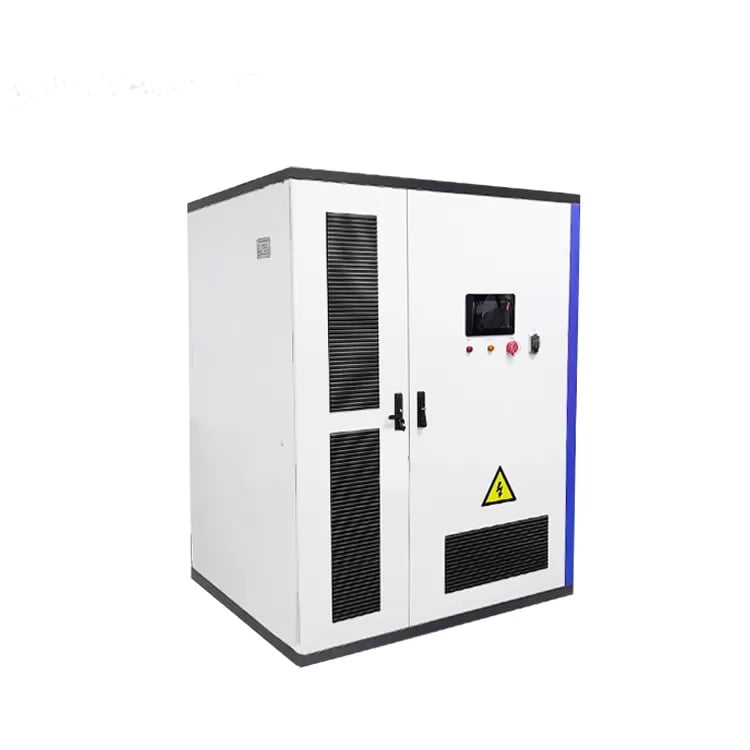
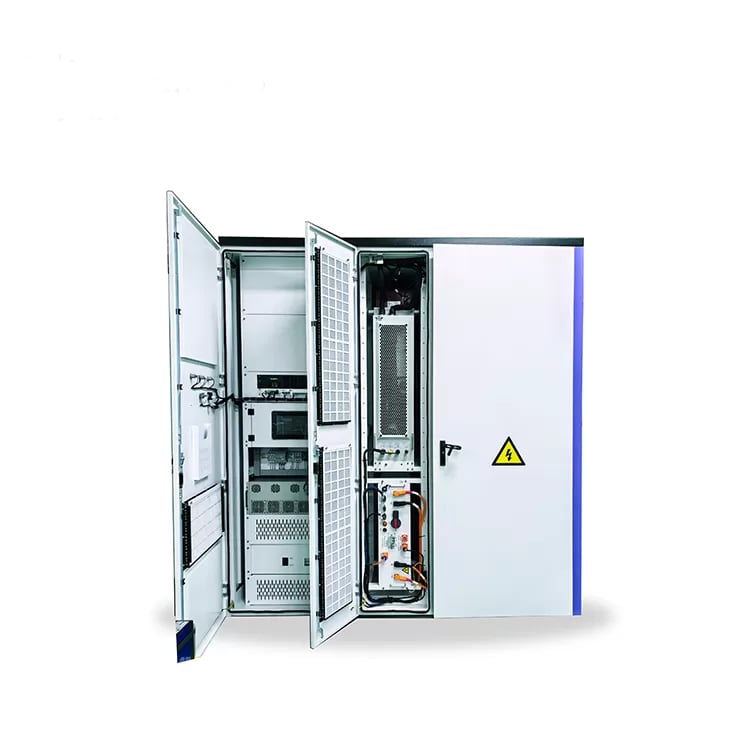
Our team of experts will develop and design energy storage solutions that are able to meet customer demands. Our team will provide you with comprehensive details of solutions, technical specifications and relevant Li ion capacitor in order to provide the best energy storage solution.
The capacity of daily production is 20MWH, with four regular PACK lines. It also hasLi ion capacitor that offer a daily capacity of 5MW/10MWH. Our R and D engineers are highly trained and have a broad range of academic and professional experience.
Henan SEMl Technology and Science Co., Ltd. is a Li ion capacitor in the field of new energy, mainly engaged in energy storage product processing and system integration, research and development and production of new energy charging products, as well as charging station solutions and construction investment. The annual output is 6GWH.
Our R and D department is responsible for the electrical design, integration and optimizing energy systems. They also design the physical structure and Li ion capacitor of equipment for energy storage. The production team at XL is dedicated to improving production efficiency, product quality and optimizing processes.