
 EN
EN
 AR
AR BG
BG DA
DA NL
NL FI
FI FR
FR DE
DE EL
EL HI
HI IT
IT JA
JA NO
NO PL
PL PT
PT RO
RO RU
RU ES
ES TL
TL ID
ID UK
UK VI
VI TH
TH TR
TR AF
AF MS
MS BE
BE AZ
AZ BN
BN JW
JW KN
KN KM
KM LO
LO LA
LA MY
MY UZ
UZ KY
KY LB
LB XH
XH SR
SR
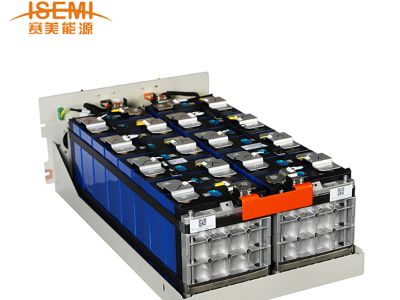
Hybrid energy storage is an intelligent application of various types of batteries to help store energy. At iSemi we think that supercapacitors and LFP batteries are natural partners in creating better energy solutions. Supercapacitors are great for short bursts of energy, lfp battery module do really well for extended storage. Combining the two can help energy systems work more efficiently and be more reliable. This is particularly important for renewable sources of power, like solar and wind, which can be erratic. With hybrid systems, we have the ability to capture energy when it’s abundant and use it when it’s needed. Which is good for using solar and/or wind power more efficiently to be less dependent on fossil fuels.
Hybrid Energy Storage Equipments for Better Efficiency in Renewable Applications
Hybrid energy storage systems have a lot of good points, particularly in renewable energy. Solar and wind power are among renewable energy sources that can fluctuate from one hour to the next. They have a lot of energy sometimes and not very much other times. Hybrid systems excel here. Supercapacitors have the ability to rapidly charge and discharge energy. If a cloud flies in front of one of our solar panels, for instance, energy output suddenly decreases. A supercapacitor can rapidly deliver the jolt of energy required to maintain an even keel. In contrast to this, lfp battery bank can hold energy longer. If the sun comes to strong that whole day, there is so plenty of electricity! It also can be stored as energy for night or cloudy day. Merging these two technologies results in faster response times with extended storage capability. This means that systems can better respond to sudden changes and provide consistent energy over time. This makes a difference to energy-intensive industries like manufacturing. They also require a continuous supply of power to keep machines running. Hybrid energy storage can help maintain some order and stability. The combination of supercapacitors and LFP batteries can prolong the service life of energy storage system. This is because the separate components perform optimally in their own way, minimizing wear and tear. As the result, they should last longer and businesses can save money in replacements and upkeep. At iSemi, we believe the hybrid energy storage is a fundamental way forward. It makes renewable energy more dependable and enables us to work toward a cleaner, greener world.
Supercapacitors and LFP battery integration for wholesale buyers
There are several things you must consider when you want to incorporate supercapacitors and LFP batteries if you’re a wholesale buyer. The first step is to know the differences between these two. Supercapacitors are great for short, fast power demands. They can also charge and discharge more quickly than current batteries. It’s a benefit that can be valuable in things such as electric vehicles or power backup systems. LFP batteries are, on the other hand, better in storing energy for longer. They also discharge constant energy, so they're good for systems in which you need consistent power 24 hours a day. When combining these two technologies, it is important to take into account the certain requirements in power with regard to the use-case. Buyers needed to be asking, How much energy do we need at peak times? How long should the energy last? The right mix can deliver maximum efficiency and cost savings. And buyers should consider the size and space they have to dedicate toward energy storage systems. Supercapacitors are generally smaller and can be squeezed into cramped spaces, where as lfp battery bank might need more room. This serves as an important inspiration to designing systems applicable for the real world scenario. Another question is who pays. Supercapacitors may be more expensive in the front end, but with their longer life span coupled with fewer maintenance costs they can become an intelligent investment. We advise wholesale buyers to conduct a careful analysis of their energy needs and the potential for hybrid solutions. This can facilitate better energy control which enables companies to be more efficient and sustainable.
Optimizing the Performance of Hybrid Energy Storage Devices
Maximizing efficiency in hybrid energy storage systems is critical to ensure optimal performance between supercapacitors and lithium iron phosphate(LFP) batteries. These two categories of energy storage complement each other: they play to different strengths. Supercapacitors can be charged and discharged very fast, which means they work well for delivering quick, decisive bursts of power. In contrast, LFP batteries are able to retain charge for a longer duration and offer consistent power. Combined, you can get a system that enjoys the best of both worlds.
Once you know the basics of each of these parts, here’s how to make that combination sing. For fast energy needs, like turning on a machine or starting a vehicle, supercapacitors are ideal. They can provide a lot of power quickly, and don’t need much time to recharge. LFP batteries, on the other hand, work best when you have a longer energy demand such as needing to keep lights on for hours or operate an electric vehicle over the course of an extended drive. These two make a system that gives you quick bursts of energy — the burps, and all day long release of stored power.
One way to make the system more efficient is to partition how much energy each part will deal with. That’s calculating when you need quick power and the much energy will use over time. Monitoring the health of both the supercapacitors and batteries is also paramount. Monitoring them regularly will help you understand when they may require maintenance or replacement. Employing some smart technology can monitor their performance for you and even make corrections on the fly. iSemi offers tools and system to monitor energy storage solutions for businesses so they can keep tabs on everything and make sure it is running smoothly.
Finally, the key to succeeding with a hybrid system is training your team in how to use it correctly. When people know how the system works and they can help keep it efficient. We consider education as a gateway to success at iSemi. By understanding how to utilize these energy storage systems in an intelligent way, businesses are able to save money, minimize waste, and maximize the efficiency of their energy resources.
Solutions for Wholesale Buyers
And for wholesale purchasers interested in hybrid energy storage powered equipment, are you buying the right things? The first thing you need is to make sure that the products like supercapacitors and LFP batteries are high-quality, efficient. Seek out products with strong warranties and support. That way if something’s wrong, you know there’s a company that will have your back. iSemi is committed to quality products and your satisfaction is 100% guaranteed.
It is also about the price, a critical consideration for wholesale buyers. It’s crucial to consider solutions that work for your budget and will help get the job done without getting compromised on quality. Purchasing in bulk can be negotiated for discounts, so work with vendors that provide competitive prices. And when you purchase more, sometimes you can haggle for better deals. We at iSemi want to provide you with the most economical wholesale prices on our products because we appreciate doing business with you.
Beyond price, consider the flexibility of the energy storage options. Your business will likely have to alter its energy requirements in the future, so it is important to have a system that can grow with you. Seek systems that can readily accept additional supercapacitors or LFP batteries when you want them. This scalability ensures you adding on equipment without having to purchase a new system, saving both time and money.