
 EN
EN
 AR
AR BG
BG DA
DA NL
NL FI
FI FR
FR DE
DE EL
EL HI
HI IT
IT JA
JA NO
NO PL
PL PT
PT RO
RO RU
RU ES
ES TL
TL ID
ID UK
UK VI
VI TH
TH TR
TR AF
AF MS
MS BE
BE AZ
AZ BN
BN JW
JW KN
KN KM
KM LO
LO LA
LA MY
MY UZ
UZ KY
KY LB
LB XH
XH SR
SR
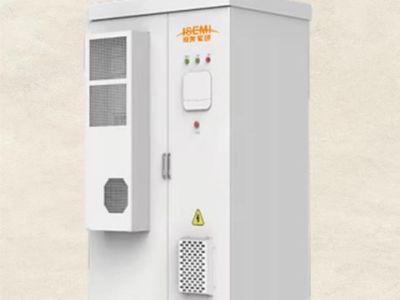
Hybrid energy storage systems such as the LFP battery/LTO battery/supercapacitor hybrid have multiple complexities when it comes to standardization. The following article will take a closer look at the issues associated with LTO batteries, implemented within these systems and how supercapacitors can assist to optimise performance.
Challenging to introduce LTO batteries into the hybrid energy storage system
Among the issues to resolve are integration of the various elements. The LTO batteries are so unique that a special attention must be paid to their own properties for an effective functioning of the system. For instance, LTO batteries have a large charge-discharge rate that could affect the performance of the ESS as a whole. Further, the voltages at LTO batteries could be different from other elements of system, which might result in more control and monitor measures to keep stability. However, although facing these challenges, the application of LTO batteries can endow the hybrid energy storage system with advantages like high power density and long cycle life.
It is therefore a new challenge to optimize power management among them using the supercapacitor when they are employed together. Supercapacitors are better recognized as high power devices which offer rapid bursts of power making them suitable for applications that need to hold and quickly release energy. Supercapacitors incorporated into hybrid systems must, however, account for the specific behavior of these components. For instance, supercapacitors have lower energy density that battery and may not be ideal for long-term energy storage. Supercapacitors also need about other voltage, charge and discharge curves to be aligned with the rest of the system. Despite the challenges, supercapacitors can enable hybrid energy storage systems to achieve a faster response and an extended battery life.
Formalizing the design of LFP, LTO and supercapacitors hybrid electrical energy storage systems is challenging. It has to be considered how LTO batteries and super capacitors can best be integrated to these container energy storage system considering their special properties as well as compatibility with other components. With the solving of these problems, hybrid energy storage has great potential to provide a high-performance and highly efficient energy storage solution that is reliable and sustainable for numerous applications.
Hybrid ESSs integrating various energy storage devices (like LFP batteries, LTO batteries and supercapacitors) have become a promising approach to ensure higher capacity utilization and higher efficiency. But there are some requirements and constraints to be solved for these systems so that they can perform optimally.
Comprehensive study of V 5+ -doped lithium garnet solid electrolyte as a stabilizer for high-voltage cathodes in all-solid-state batteries
Compatibility among hybrid energy storage sub systems is one of the key issues. Even if suitable for powering such teams, LFP batteries, LTO batteries as well as supercapacitors have different charging and discharging behaviors that can cause in-circuit inefficiency or performance degradation issues when they are not properly managed. In this context, it is essential to design advanced control strategies able to properly handle the energy exchange occurring between the various storage systems. The hybrid energy storage system can be optimized by the control system so as to enhance system efficiency and increase life time of the hybrid energy storage.
Cost-effectiveness maximization of hybrid energy storage systems
Under cost basis, another difficulty for hybrid energy storage systems is standardizing. Hybridisation using several energy storage technologies can be costly so a balance between performance and cost needs to be achieved. Through strategic component selection and system design, we can produce a cost-effective solution that performs as expected for your energy storage needs. Furthermore, the improvement in manufacturing techniques and economy of scale could contribute to lower cost of hybrid containerized energy storage system from iSemi, which will make the systems more feasible for a multitude of applications.
Reliability improvement of HY-ESSs
Reliability is one of the most important aspects in hybrid energy storage standardization. The failure of any element of the system may lead to loss of potential energy storage, down time for the system and have substantial effects on overall performance efficacy. Reliable operation To maintain reliability it is necessary to take measures here such as monitoring equipment and infrastructure closely, in order to early recognize or even protect against faults. Redundant structures and techniques can be utilized to reduce the possibility of system failure so that when a portion fails, the hybrid energy storage system can continue operating.
although there are issues to solve about standardization, the combination of ESS and DB along with those energy storage systems could be another alternative for maximizing capacity and efficiency of energy storage. Through addressing compatibility, cost-effectiveness and reliability issues, hybrid distributed energy storage system can achieve better performance and efficiency for various applications.
Table of Contents
- Challenging to introduce LTO batteries into the hybrid energy storage system
- Comprehensive study of V 5+ -doped lithium garnet solid electrolyte as a stabilizer for high-voltage cathodes in all-solid-state batteries
- Cost-effectiveness maximization of hybrid energy storage systems
- Reliability improvement of HY-ESSs